2027 Ford E-Transit Release Date, Price & Specs – The 2027 Ford E-Transit continues as Ford’s all-electric commercial cargo van for the U.S. market. It is a largely carryover model with only minor updates from the prior year. Reliable sources including Car and Driver, Kelley Blue Book (KBB), Edmunds, and Ford Authority confirm availability, pricing, and specifications as of mid-2026.
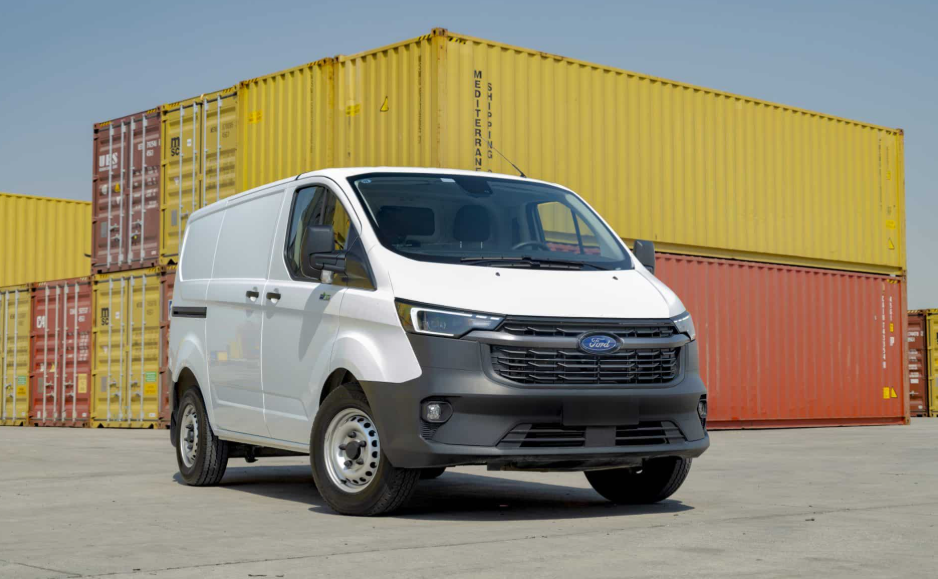
2027 Ford E-Transit Release Date and Availability
The 2027 Ford E-Transit is already available for order and purchase at Ford dealers across the United States. Model-year vehicles typically reach showrooms in the second half of the prior calendar year. By July–August 2026, dealers, KBB, Car and Driver, and Edmunds listed 2027 E-Transit inventory and pricing, with lease offers active (for example, deals expiring around early September 2026).
No major redesign or all-new generation arrived for 2027. Ford previously canceled plans for a next-generation pure-electric commercial van (originally eyed for mid-decade production), shifting focus toward hybrids and more affordable powertrains. The current E-Transit platform therefore continues with minimal changes.
U.S. buyers can configure Cargo Van, Cutaway, and Chassis Cab versions through Ford Pro or local dealers. Contact a Ford commercial vehicle specialist for the latest inventory and delivery timing in your area.
Pricing for the 2027 Ford E-Transit
MSRP for the 2027 E-Transit 350 Cargo Van starts at $56,655 for the Low Roof long-wheelbase model. Higher configurations reach approximately $60,070 for the Extended Length High Roof. KBB Fair Purchase Prices run a few thousand dollars lower in many markets (national averages around $55,000–$58,300 depending on body style).
These figures exclude destination charges, options, taxes, and incentives. Federal or state EV tax credits, fleet incentives, and Ford Pro programs may apply depending on eligibility and location. Always verify current pricing and available offers with a dealer, as commercial vehicle deals can vary.
Key Specs and Performance
The 2027 E-Transit uses a single rear-wheel-drive electric motor rated at 266 horsepower and approximately 317 lb-ft of torque. An 89–89.9 kWh lithium-ion battery pack delivers an EPA-estimated range of 143–159 miles, depending on configuration and conditions.
- Charging: Level 2 charging can replenish the battery in as little as about six hours from empty. DC fast charging (up to 180 kW) adds roughly 67 miles in 15 minutes according to Ford.
- Payload: Up to roughly 3,320–4,200+ pounds depending on roof height and length.
- Cargo volume: Approximately 278–487+ cubic feet across low-, medium-, and high-roof plus extended-length options.
- Towing: Not recommended on U.S.-spec models.
The van is offered in low-, medium-, and high-roof heights with long or extended wheelbases on the T-350 platform (primarily Cargo Van, plus Cutaway and Chassis Cab variants). It seats two (or one if the passenger seat is deleted) and prioritizes cargo space over passenger capacity.
What’s New for 2027?
Car and Driver states the E-Transit “rolls into 2027 with no changes” in major mechanical or design areas. Minor updates reported by Ford Authority and dealer sources include:
- The NACS (North American Charging Standard) fast-charging adapter is now a standalone option rather than bundled with the Mobile Power Cord Package.
- Security Package availability and standard perimeter alarm on the broader Transit lineup.
- Standard daytime running lamps.
- Some feature deletions (such as certain lighting delays, tire sealant kit on some models, and side parking sensors in select configurations).
- New paint options in the wider Transit family (for example, Iconic Silver Metallic).
Core powertrain, range, and body configurations remain essentially the same as the 2026 model.
Features, Technology, and Practicality for U.S. Fleets
Standard equipment includes a 12-inch SYNC 4 touchscreen with wireless Apple CarPlay and Android Auto, basic driver-assistance systems (automatic emergency braking, lane-keeping assist, etc.), and Ford Pro telematics connectivity useful for fleet management. Optional upgrades cover adaptive cruise control, blind-spot monitoring, 360-degree cameras, and Pro Power Onboard for jobsite power.
The E-Transit suits last-mile delivery, trades, and urban fleet use where predictable daily routes and depot charging are available. Real-world range varies with load, weather, driving style, and use of climate control. A vapor-injection heat pump (standard in recent years) helps efficiency in colder climates.
Warranty coverage follows Ford norms: 3 years/36,000 miles basic, 5 years/60,000 miles powertrain, and 8 years/100,000 miles on the battery.
Should You Buy the 2027 Ford E-Transit?
For U.S. businesses prioritizing zero tailpipe emissions, lower operating costs on fixed routes, and familiar Transit packaging, the 2027 E-Transit remains a practical choice. It offers competitive pricing among full-size electric vans and proven cargo versatility. Limitations include modest range compared with some rivals, no recommended towing, and the absence of a next-generation redesign.
Compare it against alternatives such as the Mercedes-Benz eSprinter (often higher range and payload) or other electric commercial vans. Check current federal, state, and utility incentives, and evaluate total cost of ownership including electricity rates versus diesel or gasoline Transits.
For the latest availability, exact pricing, and configuration options in your region, visit Ford.com, a local Ford Pro dealer, or review listings on sites such as KBB and Car and Driver. Specs and availability can change; always confirm details with official sources before purchasing.