2027 Mercedes EQE Successor Release Date USA – The current Mercedes-Benz EQE is being phased out, with production ending in 2026. Its direct successor—the all-electric Mercedes-Benz E-Class with EQ Technology (often referred to as the electric E-Class or E-Class EQ)—is scheduled to arrive in 2027 as a more conventional luxury sedan aimed at U.S. buyers.
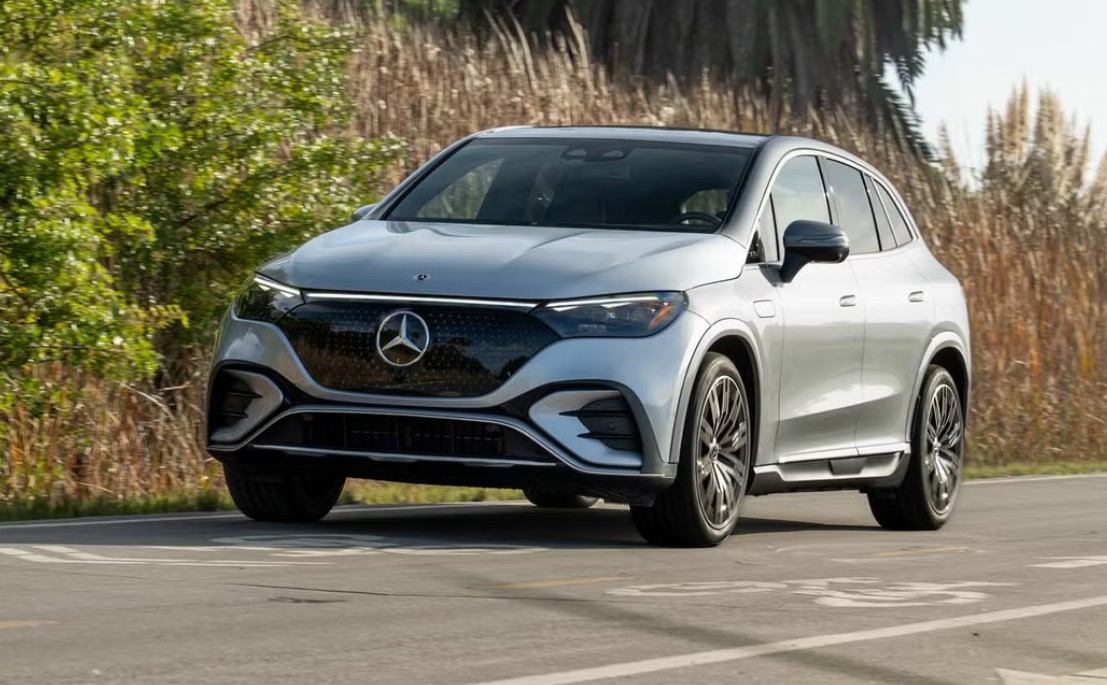
This shift addresses the EQE’s weak sales in the United States, where the model struggled to connect with traditional Mercedes customers due to its polarizing “jellybean” design. The new electric E-Class returns to classic three-box sedan proportions while delivering modern EV performance on Mercedes’ latest platform.
Why Mercedes Is Replacing the EQE for 2027?
Mercedes-Benz confirmed plans for an electric E-Class arriving in 2027, positioning it as the replacement for the short-lived EQE sedan (and eventually the EQE SUV). The EQE, which launched globally in 2022, never met sales expectations in key markets including the U.S. Mercedes is ending production of both the EQE sedan and SUV in 2026 rather than investing in a full mid-cycle update.
The new strategy aligns electric models more closely with their combustion counterparts. Instead of separate EQ branding and distinct styling, the electric version will carry the familiar E-Class name with “EQ Technology” as a powertrain descriptor. This approach already appears on the GLC with EQ Technology and is planned for the C-Class EV.
Expected 2027 Release Date for the U.S. Market
Most reports point to a 2027 launch, with several sources specifying the second half of the year. A full reveal is anticipated in 2027, followed by market introduction later that year. U.S. arrival is expected to follow the European debut, consistent with Mercedes’ typical rollout pattern.
The timeline was accelerated from an original 2028 target so Mercedes could respond faster to competition and improve its EV lineup. Production of the current EQE is winding down in 2026, creating a short gap before the electric E-Class reaches showrooms.
Platform, Range, and Charging Technology
The 2027 electric E-Class rides on Mercedes’ new MB.EA-M (medium) architecture—the same 800-volt platform used by the GLC with EQ Technology and the upcoming C-Class EV. This is a major upgrade from the EQE’s 400-volt system.
Key expected improvements include:
- Faster DC charging (up to around 330–350 kW peak rates reported on related models)
- Greater efficiency and range potential (early estimates suggest figures approaching or exceeding 500 miles on the WLTP cycle, with real-world U.S. EPA numbers expected to be lower but still competitive)
- Dual-motor all-wheel-drive configurations alongside single-motor rear-wheel-drive options
- Advanced eATS 2.0 drive units developed in-house by Mercedes
The platform prioritizes packaging, refinement, and comfort while supporting Level 3 automated driving capability in some markets.
Design Direction: Traditional Sedan Looks Return
Spy photos of heavily camouflaged prototypes show a conventional three-box sedan silhouette with a longer hood, more upright greenhouse, and traditional proportions—deliberately moving away from the EQE’s aerodynamic “egg” shape. Mercedes describes the design as “iconic E-Class three-box” with a status-oriented wheelbase focused on space and comfort.
The electric model is expected to share key styling cues with a heavily refreshed combustion-powered E-Class that arrives around the same time. This visual parity is intended to make the EV more appealing to longtime Mercedes buyers who preferred the look of gasoline models.
What U.S. Buyers Can Expect?
For American shoppers, the electric E-Class represents Mercedes’ clearest attempt yet to fix the EQE’s commercial shortfalls. It will compete more directly with models such as the BMW i5 and other midsize luxury EVs while retaining the brand’s signature ride comfort, interior quality, and advanced driver-assistance systems.
Pricing details have not been announced, but the vehicle is expected to slot into a similar range as the outgoing EQE. Official specifications, exact range figures (EPA), and U.S.-specific features will become clearer closer to the 2027 launch. Until then, the current EQE remains available in limited numbers as inventory clears.
Mercedes’ broader product plan includes dozens of new or updated models by the end of 2027, with the electric E-Class serving as a cornerstone of its revised electrification strategy focused on familiar model names and more conventional design.