2027 Toyota bZ Release Date: What to Expect – The 2027 Toyota bZ (the compact all-electric SUV formerly known as the bZ4X in earlier years and simplified to “bZ” starting with the major 2026 refresh) is expected to arrive at U.S. dealerships in early 2027 as a largely carryover model. After receiving substantial upgrades for the 2026 model year—including more powerful motors, higher range estimates, improved charging, and refreshed styling—Toyota is not anticipated to introduce major changes for 2027.
This positions the bZ as a practical, reliable option for American buyers seeking a no-nonsense compact electric SUV with competitive range, strong safety features, and access to the growing North American Charging System (NACS) network (including Tesla Superchargers).
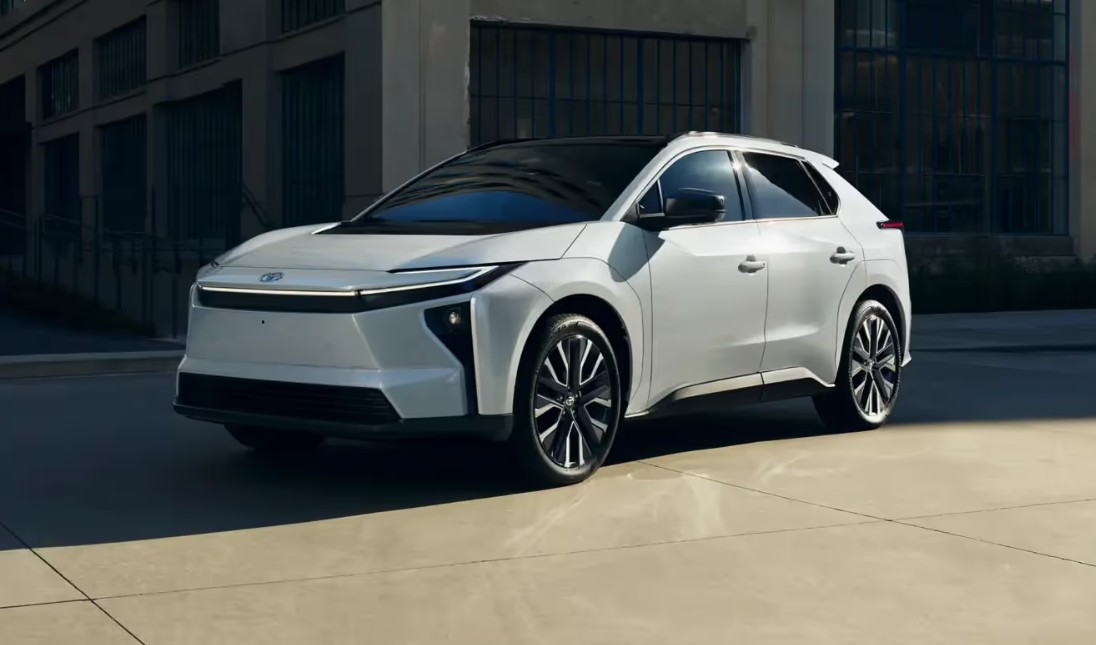
Expected 2027 Toyota bZ Release Date in the USA
Industry previews and automotive outlets project an early 2027 arrival for the 2027 model year bZ, following the typical annual model-year cycle after the 2026 version went on sale in the second half of 2025. Exact on-sale timing has not been officially confirmed by Toyota as of mid-2026, but it aligns with the pattern of previous model years.
Related models in the broader bZ family, such as the longer, more rugged bZ Woodland (the wagon-like counterpart co-developed with Subaru), are also expected to follow a similar early-2027 refresh timeline with no major updates.
What’s New (or Not) for the 2027 Toyota bZ?
The 2026 redesign delivered the biggest leap: upgraded eAxles with silicon-carbide semiconductors, higher power output, a larger battery option, NACS port standard, revised exterior styling (including the “hammerhead” lighting signature and available color-matched cladding), a new center console, 14-inch multimedia screen, and other interior refinements.
For 2027, sources indicate a carryover approach—no major powertrain, design, or feature changes are expected while the significant 2026 improvements remain fresh.
Key Specs and Performance Expected to Carry Over
- Powertrains: Single-motor front-wheel-drive options (approximately 168–221 hp) and dual-motor all-wheel-drive (up to 338 hp combined).
- Range: EPA estimates of 236–314 miles, with the front-wheel-drive XLE Plus model leading at up to 314 miles. Real-world highway testing has shown around 250 miles in some evaluations.
- Battery & Charging: Up to ~74.7 kWh lithium-ion pack; 11 kW onboard AC charging; DC fast charging (up to ~150 kW) capable of 10–80% in about 30 minutes; standard NACS port.
- Acceleration: AWD models can reach 0–60 mph in roughly 4.9–6.2 seconds depending on configuration.
- Drivetrain options: Front-wheel drive or all-wheel drive with available X-MODE for enhanced traction.
These figures make the bZ competitive in the compact electric SUV segment against rivals such as the Hyundai Ioniq 5, Volkswagen ID.4, and Subaru Solterra (its near-identical twin).
Pricing Expectations for U.S. Buyers
Official 2027 pricing has not been announced. The refreshed 2026 model started in the mid-$30,000s (base XLE around $34,900–$39,500 range depending on configuration and destination), with higher Limited and AWD trims climbing into the low-to-mid $40,000s. Expect the 2027 version to remain in a similar ballpark, subject to any inflation, equipment adjustments, or incentive changes.
Buyers should also factor in potential federal, state, or local EV incentives (where still available), Toyota’s warranty coverage (including an 8-year/100,000-mile battery warranty), and complimentary maintenance periods.
Interior, Features, and Practicality
The bZ prioritizes space and usability with a roomy five-passenger cabin, airy greenhouse, supportive seats, and solid cargo capacity (enough for multiple carry-ons with seats up or folded). Standard features typically include a 14-inch touchscreen with wireless Apple CarPlay and Android Auto, dual wireless phone chargers, digital instrument display, and a comprehensive Toyota Safety Sense suite (adaptive cruise, automatic emergency braking, lane-keeping assist, and more). Higher trims add premium audio, advanced driver aids, and comfort options.
Broader Toyota EV Context for 2027
While the mainstream bZ is a steady evolutionary step, Toyota continues expanding its U.S. EV lineup toward a target of multiple models by mid-2027. This includes the adventure-oriented bZ Woodland, the compact C-HR EV, and the upcoming three-row Highlander EV (which faced some production timing adjustments). Separately, Toyota aims to introduce its first production vehicles with all-solid-state batteries around 2027–2028, though these are expected first in higher-end or performance-oriented models (likely under the Lexus brand) rather than the volume-oriented bZ.
Should You Wait for the 2027 Toyota bZ?
If you want a reliable, spacious, and relatively affordable compact EV with proven Toyota ownership advantages and strong residual value potential, the 2027 bZ looks like a safe, low-risk choice. Those seeking the absolute latest technology or maximum range/performance may want to monitor solid-state battery progress or compare against newer competitors.
For the most current availability, pricing, and incentives, check with local Toyota dealers or the official Toyota USA website as the 2027 model year approaches. Specifications and timelines can change, so always verify the latest official information.