2027 Toyota Highlander Hybrid Release Date Guide – There is no dedicated 2027 Toyota Highlander Hybrid. The fifth-generation 2027 Highlander is an all-electric (BEV) three-row SUV. Toyota has extended production of the current-generation 2026 gas and hybrid models through December 2026, so hybrid versions remain available into calendar-year 2027 while the EV is delayed.
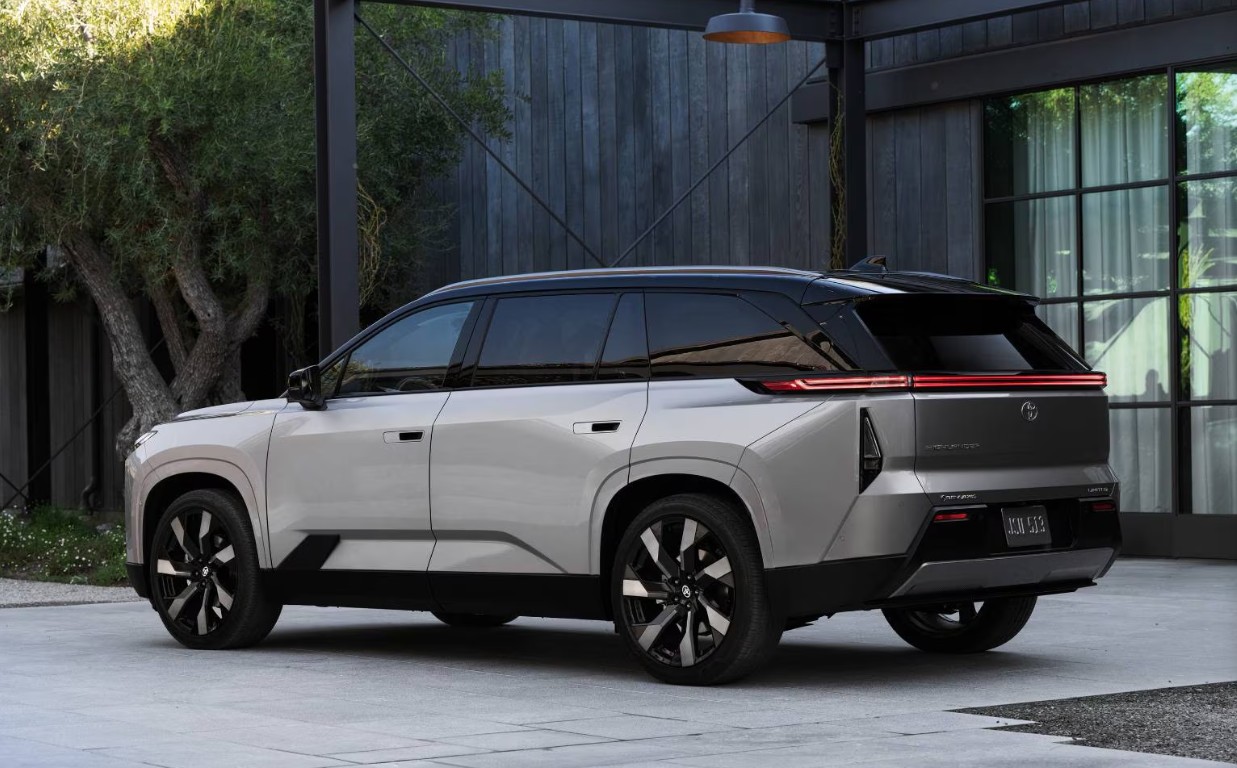
What Happened to the Highlander Hybrid for 2027?
Toyota reinvented the Highlander for its fifth generation as a fully electric vehicle only. The company dropped both gasoline and hybrid powertrains for the new model. Buyers seeking a hybrid three-row Toyota SUV in the near term can still purchase the strong-selling 2026 Highlander Hybrid, which continues production through the end of 2026 and should remain on dealer lots well into 2027.
The larger Grand Highlander continues to offer gas and hybrid options for those who prefer internal-combustion powertrains in a bigger package.
2027 Toyota Highlander (EV) Original and Updated Release Timeline
Toyota originally planned for the all-new 2027 Highlander EV to go on sale in late 2026, with availability continuing into early 2027. It is the brand’s first three-row battery-electric vehicle for the U.S. market and the first Toyota EV assembled in the United States (at the Georgetown, Kentucky plant, with batteries from the new facility in Liberty, North Carolina).
In July 2026, Toyota announced a delay. A company spokesperson confirmed “additional adjustments to the vehicle prior to launch.” Production of the 2026 gas and hybrid Highlanders was extended through December 2026. Sources indicate the EV delay is at least eight weeks, pointing toward a possible early-2027 or later arrival, though no firm new on-sale date has been announced.
Strong demand for the current hybrid (sales up significantly year-to-date in reports) and softer EV market conditions are widely cited as contributing factors.
Key Specs and Features of the 2027 Highlander EV
- Powertrain: Battery-electric only. Front-wheel-drive models produce 221 combined horsepower; dual-motor all-wheel-drive versions deliver up to 338 horsepower.
- Range: Manufacturer-estimated up to 320 miles on XLE AWD and Limited AWD models with the larger 95.8-kWh battery. Smaller 77-kWh battery options yield lower estimates (around 270–287 miles depending on configuration).
- Trims: XLE and Limited.
- Seating and Size: Up to seven passengers. Longer wheelbase (approximately 120.1 inches) than the prior generation for improved rear legroom. Dimensions grow overall while height is slightly lower.
- Tech and Convenience: Standard 14-inch touchscreen, digital gauge cluster, NACS charging port, bi-directional vehicle-to-load capability, latest Toyota Safety Sense, and available panoramic roof (largest in the Toyota lineup).
Pricing has not been announced but is expected to start in the mid-to-upper $50,000s or around $60,000 range based on early estimates, positioning it against rivals such as the Hyundai Ioniq 9 and Kia EV9.
Current 2026 Highlander Hybrid Availability and Why It Matters
The 2026 Highlander Hybrid (available in XLE, Limited, and Platinum grades) remains a high-demand, efficient choice with a manufacturer-estimated 35 mpg combined rating and standard electronic on-demand AWD. Production continues through December 2026, ensuring inventory into 2027.
This extension benefits U.S. shoppers who prefer hybrid efficiency, proven reliability, and lower upfront costs while waiting for the EV or for those not yet ready to switch to full electric.
What U.S. Buyers Should Do Next?
Contact local Toyota dealers for the latest 2026 Highlander Hybrid inventory and allocation. Watch Toyota’s official pressroom and major automotive sites (Cars.com, Kelley Blue Book, Edmunds) for updated 2027 EV production and on-sale timing. The delay gives Toyota more time to refine the vehicle and respond to market conditions, while hybrid buyers retain strong options in the interim.
For the most accurate local availability and any incentives, check with authorized U.S. Toyota dealers, as timelines can shift with production adjustments.